The 3 Types of Depreciation in Real Estate Appraisal
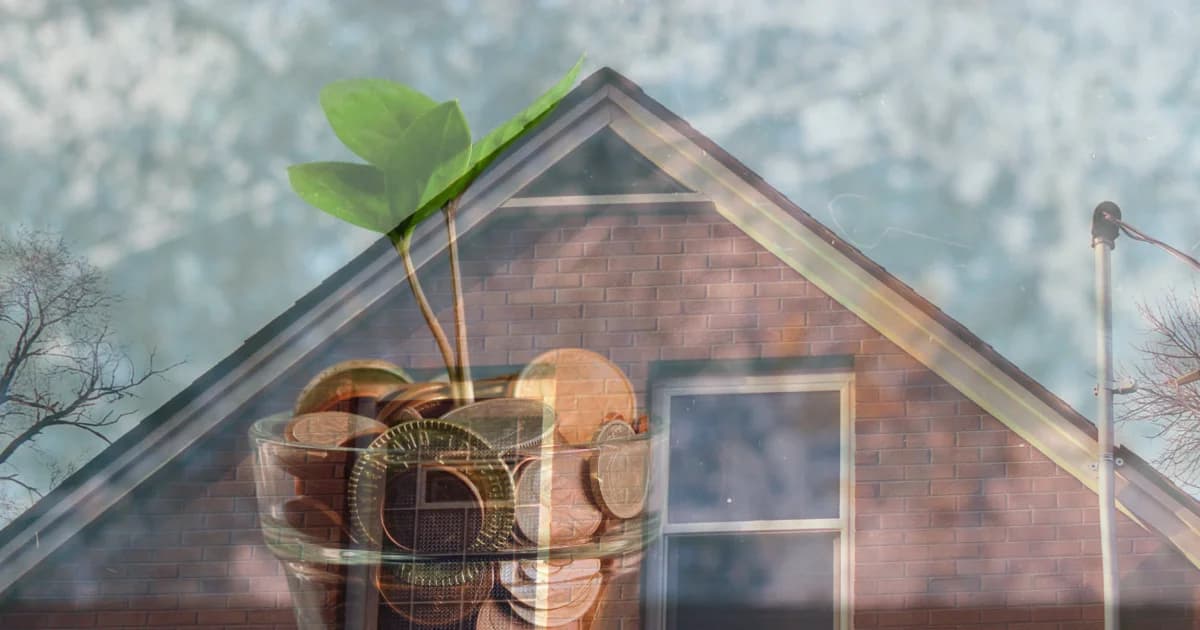
In short: depreciation is the loss of value of a building compared to the same building new. It has three possible causes: wear and tear (physical deterioration), a design that no longer meets market expectations (functional obsolescence) and a factor outside the property (external obsolescence, also called economic obsolescence).
What is depreciation?
In real estate appraisal, depreciation represents the difference between the cost of a building in new condition (its replacement or reproduction cost) and its value at the date of the appraisal. It results from the aging of the construction or from obsolescence, whether related to the building itself or to its surroundings.
Depreciation is at the heart of the cost approach: the chartered appraiser estimates the cost of the building new, subtracts depreciation, then adds the value of the land. It also explains why two houses of the same size, on the same street, can sell at very different prices.
1. Physical deterioration
This is the loss of value caused by anything that physically impairs the building: wear and tear, aging, the effects of climate, breakage, construction defects or lack of maintenance. No building escapes it, but its pace depends on the quality of construction, how the building is used, maintenance and renovations.
The appraiser distinguishes two cases:
- Curable: work that is technically possible and economically justified would restore the component, for example a roof covering at the end of its life or windows that need replacing.
- Incurable: the work is not justified or not possible for the time being; wear of the structure, for example, is measured instead according to the age and service life of the component.
2. Functional obsolescence
It stems from the very design of the building or from changing market expectations: the layout or certain components reduce its ability to fulfill its function, compared to what buyers are looking for today. It has nothing to do with wear and tear: a house in perfect condition can suffer from it.
A few common examples:
- a bedroom that can only be reached by going through another bedroom;
- a single bathroom for four bedrooms;
- a basement too low to be finished;
- electrical capacity insufficient for current needs;
- conversely, an improvement too luxurious for the area (over-improvement), which is not fully recovered on resale.
As with physical deterioration, the appraiser asks whether the obsolescence is curable, that is, whether possible and cost-effective work would make it disappear.
3. External (or economic) obsolescence
This loss of value comes from outside the property: the owner can do nothing about it. Its causes can be physical, legal, social or economic, and their effect must be recognized by the market. For example:
- proximity to a nuisance (noisy highway, industrial activity, odours);
- a regulatory change that limits the use of the property;
- a lasting drop in demand in an area, for example after a major employer closes.
External obsolescence can change over time: if the cause disappears, the loss of value can decrease, or even vanish.
How the chartered appraiser measures depreciation
The visit makes it possible to note the condition of each component and to estimate the effective age of the building, which can differ from its actual age depending on maintenance and renovations. The appraiser then compares that age to the economic life of the building, analyzes the components one by one when necessary, and checks the conclusions against market sales. The method used is explained in the report.
Why it matters to you
- You are renovating: correcting curable deterioration or obsolescence protects value, but not all renovations pay off equally. See our guide on resale value.
- You are insuring your building: insurable value does not deduct depreciation. See our guide on insurable value.
- You are buying or selling: depreciation explains a good part of the price differences between similar houses. See our guide How much is my house worth?
Need an appraisal? Request a free quote or call us at (819) 314-2594.
Frequently asked questions about depreciation
Is depreciation in appraisal the same thing as tax depreciation?
No. Tax depreciation (capital cost allowance) is a tax rule that spreads the cost of an asset over several years. Depreciation in appraisal measures the actual loss of value of a building compared to a new building, at a given date, as the market perceives it.
Does a well-maintained house still depreciate?
Yes, but less. Maintenance and renovations slow physical deterioration: a well-maintained house can have an effective age lower than its actual age. They do not, however, erase functional obsolescence (a poor layout, for example) or external obsolescence.
Does land depreciate?
In appraisal, depreciation applies to buildings and improvements. Land does not wear out; its value can nevertheless go down or up with the market and its surroundings.
Does insurable value take depreciation into account?
No. Insurable value corresponds to the cost of rebuilding new, without deducting depreciation. This is one of the reasons it differs from market value.
Updated on