How to Appraise Vacant Land in Quebec?
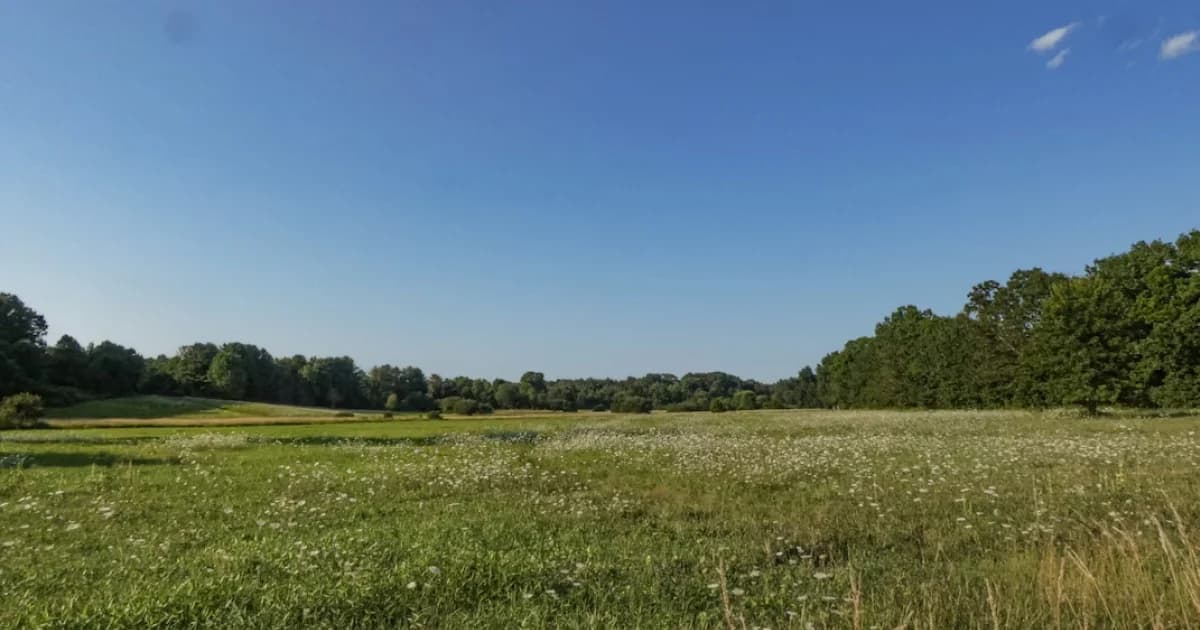
In short: the value of vacant land depends first on what can be done with it, legally and in practice. The chartered appraiser determines that use, checks the zoning, the services and the constraints of the land, then applies the most suitable of the four main methods: sales comparison, allocation or extraction, land residual and subdivision.
The starting point: highest and best use
Land is worth what its best use allows. This is the principle of highest and best use, a fundamental concept in appraisal. To be retained, a use must be:
- physically possible on that land;
- permitted by regulations and by law;
- probable, not merely possible;
- sought after by the market;
- financially feasible, in the short term;
- the most profitable among the uses that meet these conditions.
A lot zoned for a single residential building is therefore not appraised like a lot where six dwellings can be built, even if both have the same area.
What makes the value of land vary
- Municipal zoning: permitted uses, density, setbacks, subdivision standards.
- The agricultural zone: in the agricultural zone, the Act respecting the preservation of agricultural land and agricultural activities governs uses other than agriculture. The status of the lot with the CPTAQ often changes everything.
- Services: water supply, sewer, public street, electricity. Land without services requires a well and a septic system, which calls for soil that is suitable for them.
- Area, frontage and shape: a narrow or irregular lot can limit what can be built on it.
- Soil and topography: slope, bedrock, drainage, fill.
- Constraints: watercourse and riparian strip, wetland, flood zone, servitudes, possible contamination.
- Location: access, surroundings, proximity to services, view.
The 4 main methods
1. The sales comparison method
This is the reference method when there are enough sales. The appraiser analyzes recent sales of similar land, sets aside atypical transactions and adjusts each sale for its differences with the land being appraised: date, location, area, services, zoning, constraints. The result is expressed in the unit the market uses: a price per square metre, per front foot, per hectare, or an overall price per lot in a homogeneous area.
2. The allocation or extraction method
It is used in built-up areas, where sales of vacant land are rare. With allocation, the sale price of built properties is divided between the land and the building, according to the ratio observed in the area. With extraction, you start from the sale price of a built property and subtract the depreciated value of the building to isolate the value of the land. These methods are indirect: their reliability depends on the quality of the data.
3. The land residual method
For land intended for a building that will produce income, the appraiser estimates the net income of the building that could be built on it, subtracts the share of that income attributable to the building, then converts the income remaining to the land into a value.
4. The subdivision method
It applies to a large parcel that could be subdivided. The appraiser reasons like a developer: they estimate the revenue from the sale of the future lots, subtract the expenses (infrastructure, fees, taxes) and the developer's profit, then discount the net revenue according to the duration and risk of the project.
The case of farmland
Farmland is appraised according to other factors: soil quality, drainage, type of crop, location and the rules of the agricultural zone. Comparable sales must be farms with the same vocation. To learn more, see our page on farmland appraisal (in French).
Having your land appraised
Purchase, sale, estate, division, financing or construction project: Eval Plus appraises residential, commercial and agricultural land in Centre-du-Québec, Mauricie and part of Montérégie. For land that is already built on, the depreciation of the building also comes into play. Request a free quote or call us at (819) 314-2594.
Frequently asked questions about land appraisal
Does the municipal assessment of my land match its market value?
Not necessarily. The value entered on the roll is established for taxation purposes, through a mass appraisal, at a reference date prior to the roll. It does not account for all the particularities of the land or for recent changes in the market.
Can you build on land located in the agricultural zone?
It depends on the lot. In the agricultural zone, the Act respecting the preservation of agricultural land and agricultural activities governs uses other than agriculture; depending on the case, an authorization from the Commission de protection du territoire agricole du Québec (CPTAQ) may be required. The appraiser checks the status of the lot, because it has a strong influence on value.
What documents should I provide for a land appraisal?
The most useful are: the deed of purchase, a certificate of location or a survey plan, known servitudes, permits or authorizations obtained and, if any, soil or site characterization studies. The appraiser also checks the zoning, the cadastre and the assessment roll independently.
Why can two neighbouring lots have different values?
Their area, frontage, shape, soil, access to services or constraints (watercourse, wetland, servitude) can differ, even side by side. Each of these elements changes the possible use of the land, and therefore its value.
Updated on